East African Delegation Visits Morocco for AFCON 2025 Observation Ahead of 2027 Hosting
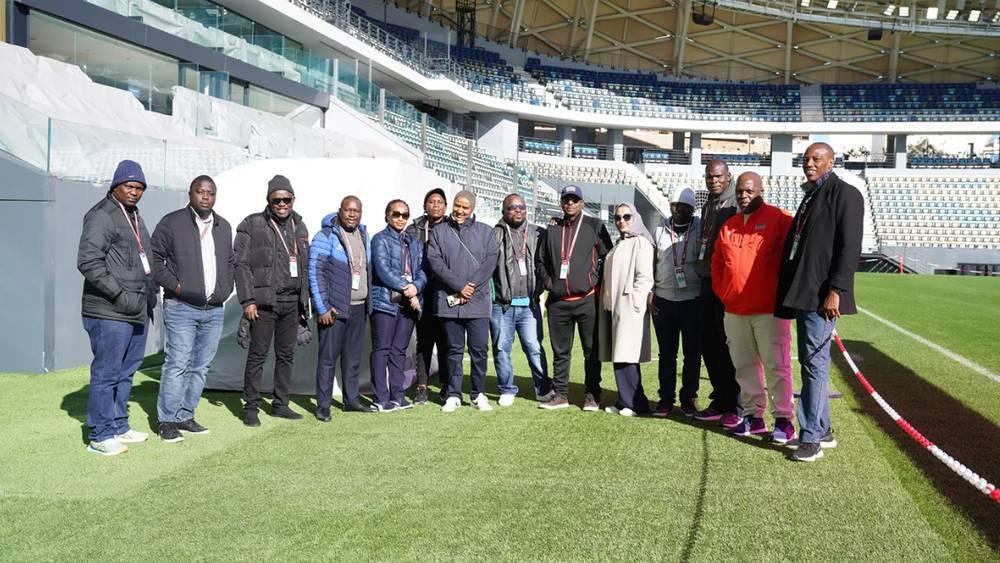
An official delegation representing the East African nations of Kenya, Tanzania, and Uganda is currently in Morocco as part of an observation mission organized by the Confederation of African Football (CAF). This visit is taking place on the sidelines of the Africa Cup of Nations (AFCON) 2025 finals, in preparation for these countries co-hosting the next edition of the tournament in 2027.
The visit is part of CAF's experience-sharing program between current and future host nations, aiming to provide firsthand insight into the various organizational aspects involved in staging the continent's largest football event.
The visit program commenced on Friday, January 9, with a field trip to Prince Moulay Abdellah Stadium in Rabat, the capital. There, the delegation closely observed matchday operations during the quarter-final clash between Morocco and Cameroon. The program also included visits to several sports facilities designated to host tournament matches, among them the City Stadium and Prince Moulay El Hassan Sports Complex in Rabat, two of the four approved stadiums in the capital. Additionally, the delegation toured the main media center, which accommodates over 1,000 accredited journalists, as well as strategic visits to the African Police Cooperation Centre in Rabat to learn about the security cooperation mechanisms and frameworks adopted during the tournament, and the official AFCON fan zones.
In a statement on the occasion, CAF Secretary-General Veron Mosengo-Omba affirmed that the observation program reflects CAF's commitment to excellence and sustainability in tournament organization. He added, “By providing future host nations with the opportunity to directly observe the operations of our most important tournaments, we ensure the standardization of criteria and elevate the level of hosting African football events.” Mosengo-Omba further stated, “The presence of the Kenya, Tanzania, and Uganda delegation in Morocco represents a vital step in knowledge transfer, capacity building, and preparation for organizing the 2027 edition to a world-class standard.”