Asad: A Symbol of Strength and Cultural Authenticity - CAF Unveils Official Mascot for AFCON Morocco 2025
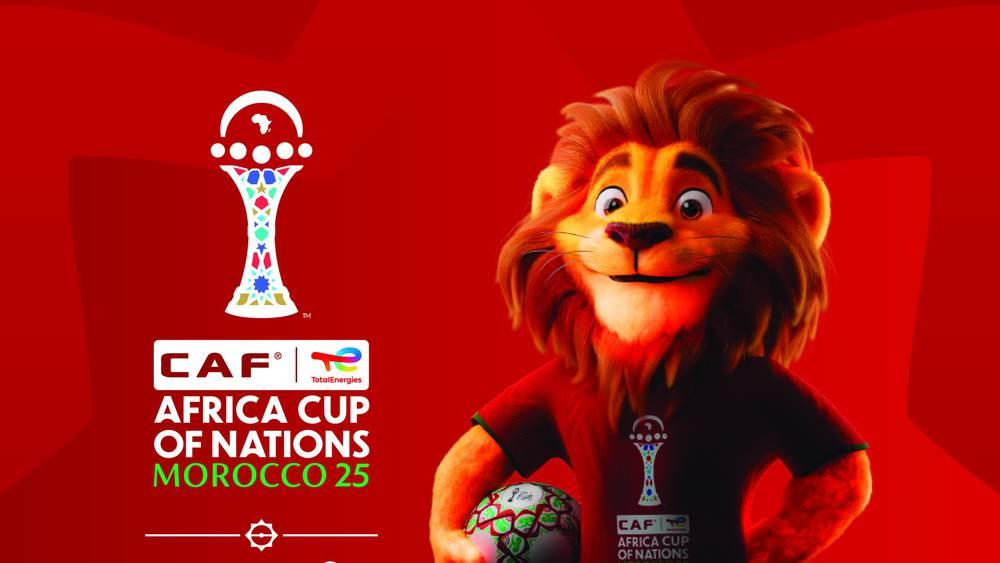
The Confederation of African Football (CAF) on Monday unveiled "Asad" as the official mascot for the Africa Cup of Nations (AFCON) Morocco 2025 tournament.
According to a CAF report, the design of the AFCON mascot is inspired by the Atlas Lion, one of Morocco's most prominent national symbols. It represents a powerful and unifying figure across the African continent. Its name, "Asad," is derived from the Arabic word for "lion," embodying strength, pride, and cultural authenticity – values that resonate with fans in Morocco and throughout Africa.
"Asad" will serve as an ambassador for the tournament, symbolizing the enthusiasm, passion, and energy that characterize the continent's premier football competition. It will play a pivotal role in building a lasting emotional connection with fans and mobilizing all generations, especially children and families, who represent the core and future of African football culture.
The visual identity of "Asad" is based on a friendly and youthful lion, whose expressive features and energetic personality reflect Africa's creativity and diversity. Its colors and overall style integrate seamlessly with the AFCON Morocco 2025 identity, ensuring a consistent, modern, and effective image for the tournament.
"Asad" is also part of a future vision for African football that extends beyond the 2025 tournament. It will continue to support CAF's youth development and grassroots football programs, school and community initiatives, as well as future digital storytelling. As a permanent ambassador for African football, "Asad" aims to inspire, unite, and transmit values to new generations across the continent.
CAF concluded in its report: "With 'Asad,' the Africa Cup of Nations Morocco 2025 is set to deliver an unforgettable experience, celebrating the unity, pride, and strength of African football. The arrival of 'Asad' marks a pivotal step in affirming the competition's identity and deepening its cultural footprint."