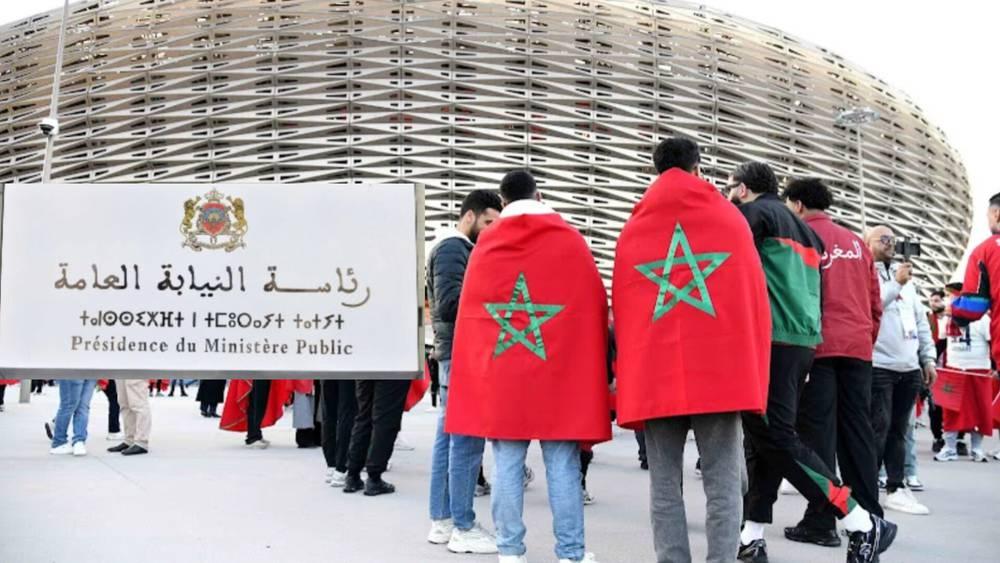
Judicial Offices Record 152 Violations in Stadiums During Africa Cup Competitions
Official data revealed that the judicial offices established in the stadiums hosting the 2025 Africa Cup of Nations competitions processed a total of 152 violations during the period from December 21st last year to January 6th this year.
According to figures released by the Public Prosecution Office, 128 individuals of various nationalities were implicated in these violations. They were prosecuted for diverse criminal acts, some related to stadium entry, and others affecting public security and order within sports venues.
The most common offense recorded was illegal entry or attempted entry into stadiums using fraudulent means, accounting for 61 cases. This was followed by violations related to selling match tickets at illegal prices or without authorization, which totaled 19 cases. Additionally, ten cases were recorded for both unauthorized pitch invasion and illegal residency.
During the same period, other violations were also recorded, including forgery of commercial documents and their use (9 cases), igniting pyrotechnics inside stadiums (8 cases), and four cases involving the throwing of incendiary materials during sports events.
Judicial proceedings also covered violations related to acts of violence, possession and consumption of hashish, entering stadiums while intoxicated, possessing entry badges under false names, as well as public intoxication, and taking photos of individuals without their consent.
It is worth noting that these judicial offices were inaugurated inside the stadiums designated to host the Africa Cup of Nations matches, notably Prince Moulay Abdellah Stadium in Rabat. This initiative is part of establishing a new institutional mechanism aimed at the immediate and effective management of cases related to violations that may occur during matches.
This initiative seeks to adopt a modern and efficient model for handling cases within sports venues. It enables representatives of the Public Prosecution Office, in coordination with security services and competent authorities, to intervene swiftly to address potential incidents. This ensures prompt action, respects individual rights and fair trial guarantees, while also maintaining order and security within stadiums and reducing pressure on the courts.