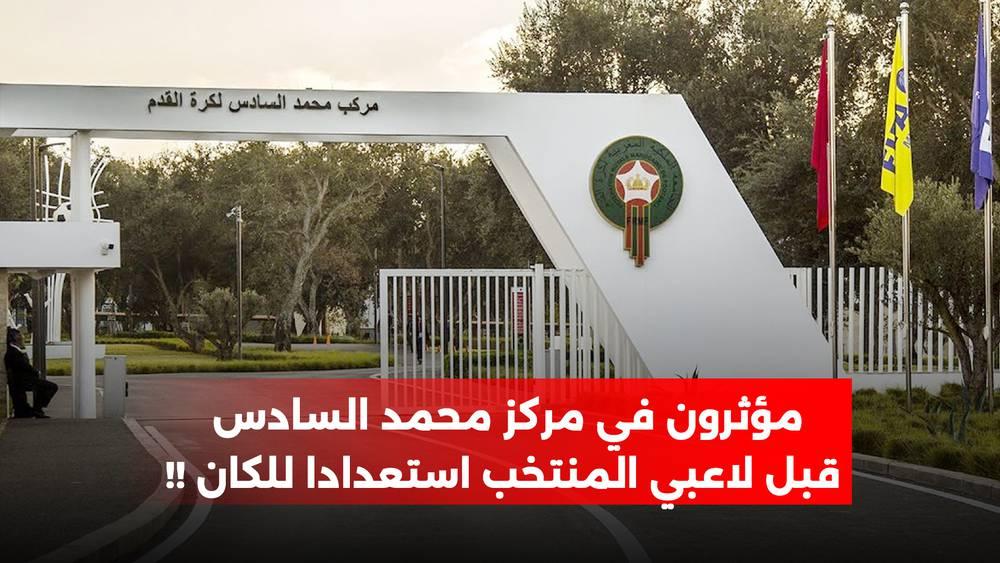
Influencers Before AFCON: Mohammed VI Center Access Sparks Debate Over Shifting Roles
In recent years, the presence of digital influencers has become synonymous with major sporting events, whether through on-site coverage or by creating parallel content on social media platforms. This trend raises new questions as Morocco prepares to host the Africa Cup of Nations (AFCON) finals, an event described as a historic milestone in terms of organization and infrastructure.
Morocco approaches this continental tournament with significant logistical and organizational capabilities, including modern stadiums, advanced training centers, a robust transport network, and a tourism and service infrastructure that has accumulated considerable experience from previous international events. This makes the event's prominence primarily linked to its organizational and institutional capacity, rather than any parallel promotional tools or unofficial digital campaigns.
Amidst this ongoing discussion, the recent appearance of some influencers, just hours ago, at an activity within the Mohammed VI Football Complex, sparked a widespread debate regarding the nature of access to this facility.
The complex is a dedicated center for the national team, its players, and technical staff. It holds special symbolism as the headquarters for preparation and accommodation during official competitions, including the upcoming Africa Cup of Nations finals.
The entry of influencers into this center before the national team members officially arrived, and their appearance in its facilities and stadiums, raised questions about the criteria adopted for granting such access. It also prompted inquiries into whether influencers enjoy special privileges or a status equivalent to what is granted to components of the national football system.
The controversy intensified with the circulation of video clips from inside one of the stadiums, showing girls in short content that followers deemed far removed from the place's context and symbolism. Additionally, sarcastic statements attributed to some influencers were widely shared on social media, reigniting the debate about the limits of acceptable content within official spaces linked to the national team. One influencer was quoted saying, “Saiss got tired, and Ounahi drank harira.”
In this context, the discussion highlights the role of influencers and the limits of their involvement in an event of this magnitude. Previous experiences have shown a disparity in the quality of content provided, distinguishing between those who systematically promote sports culture and infrastructure and those who stir controversy with statements or actions inconsistent with the event's nature and the sensitivity of the current stage.
It is noteworthy that a significant portion of the Moroccan public has, on multiple occasions, expressed rejection of what they perceive as a blurring of lines between unstructured entertainment and spaces that are supposed to adhere to clear rules. They prefer an image based on professionalism and respect, especially when it concerns official facilities or the national team's reputation.
In contrast, observers believe that the issue does not lie in the principle of utilizing influencers itself, but rather in the absence of precise selection criteria, the nature of the roles assigned to them, and the limits of what is permissible within specialized facilities. Structured digital content that respects the venue and context can contribute to positive promotion of the event without becoming a source of tension or provocation.
As the finals draw closer, the question remains about striking a balance between embracing modern communication tools and respecting the symbolism of sports institutions and the sensitivity of the national environment. This is particularly crucial for an organization that is expected to be among the best in AFCON history, according to observers' assessments even before the kickoff.
In conclusion, the ongoing debate always raises the question: Who is advocating for the role of these influencers, pushing them into the spotlight, and granting them such significant privileges?