Calls in Germany to Boycott 2026 World Cup Amid Political Tensions and 'Trump's Decisions'
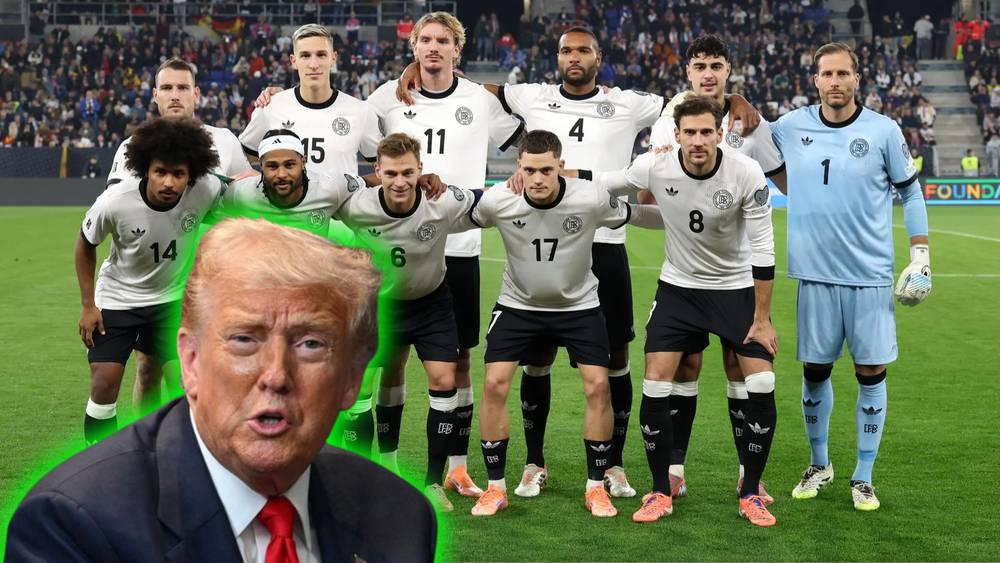
Calls have intensified in Germany in recent days for the national team to boycott the 2026 World Cup, scheduled to be held in the United States, Canada, and Mexico. This comes as a reaction to escalating tensions between Berlin and Washington over the "Greenland" issue and US President Donald Trump's threats to impose tariffs on European countries opposing his policies.
The calls originated from prominent politicians within the Christian Democratic Union, who proposed that a withdrawal by the German national team or a boycott of the tournament could serve as leverage against the US administration, pressuring it to reverse its controversial policies.
These individuals emphasized that a boycott would be a last resort should the crisis escalate. They argued that hosting the tournament amidst "hostile policies towards Europe" raises significant ethical and political questions.
Officially, the German government has opted not to directly intervene in the decision, stating that the German Football Association (DFB) and the International Federation of Association Football (FIFA) are the bodies authorized to determine the national team's stance on participation or boycott, out of respect for the independence of sports organizations from politics.
These developments occur amidst a wave of European criticism regarding US administration policies, which has also prompted some sports and political figures in other countries to express support for a potential boycott or a reconsideration of major European teams' participation in the tournament.
Conversely, France has announced its rejection of the boycott idea for the time being, emphasizing the importance of separating sports and politics. Meanwhile, these geopolitical events have led to extensive discussions within European sports circles regarding the future of the World Cup amidst these tensions.
The 2026 World Cup, set to kick off on June 11 and run until July 19, is poised to be the largest in the tournament's history in terms of participating teams and the collaboration of three host nations. However, this political controversy could add a new dimension to the world's biggest football event just weeks before its start.