Professional League Clubs Turn to Friendlies to Maintain Match Fitness
Professional Football League clubs are experiencing an exceptional situation this season, marked by the ongoing absence of a clear competition schedule from the National Professional Football League. This has prompted several clubs to seek alternatives to maintain their competitive readiness.
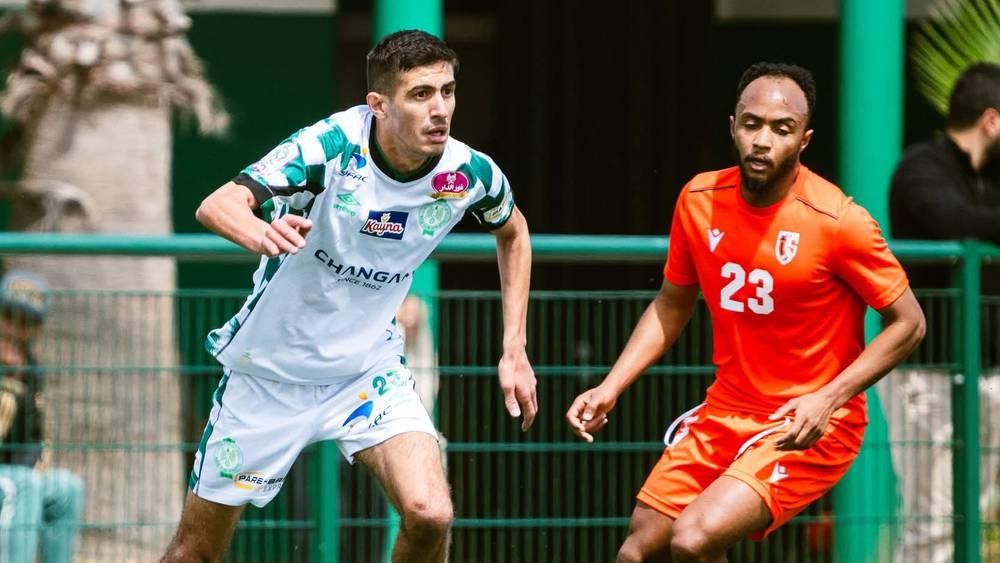
Amidst this competitive void, several clubs have begun organizing friendly matches among themselves. The aim is to compensate for the long hiatus in official competitions and to preserve the physical and technical rhythm of their players, especially as uncertainty grows regarding the league's resumption dates.
This emergency solution comes after a series of interruptions experienced by the league during the current season, whether due to national clubs' continental commitments or the indecision regarding the scheduling of some postponed rounds, which has destabilized the overall pace of the competition.
Technical staffs find themselves facing a real challenge in maintaining their players' readiness, given the absence of a regular competitive rhythm. This pushes them to schedule internal friendly matches or games against other clubs of the same division to prevent a decline in physical fitness and a lack of cohesion within the squads.
This step also reflects the significant impact the scheduling crisis has had on the normal functioning of the league. Preparation for official matches no longer relies solely on training sessions but now depends on clubs' ability to create competitive alternatives outside the official framework.
This situation raises questions within football circles about the Professional League's ability to quickly readjust the calendar and ensure the natural continuity of the competition, amidst pressure from clubs and multiple commitments.
While awaiting the league's return to its natural rhythm, friendly matches remain the temporary solution clubs are resorting to in order to maintain readiness, in a season primarily defined by scheduling confusion and a lack of competitive stability.